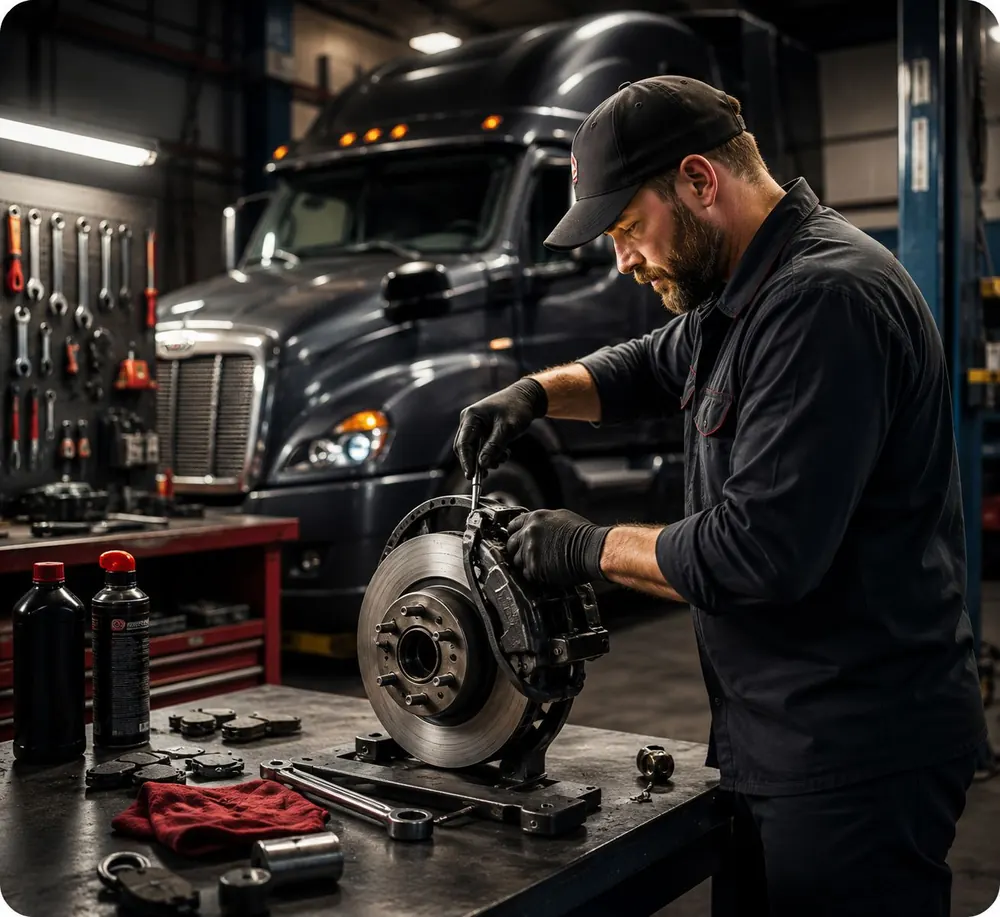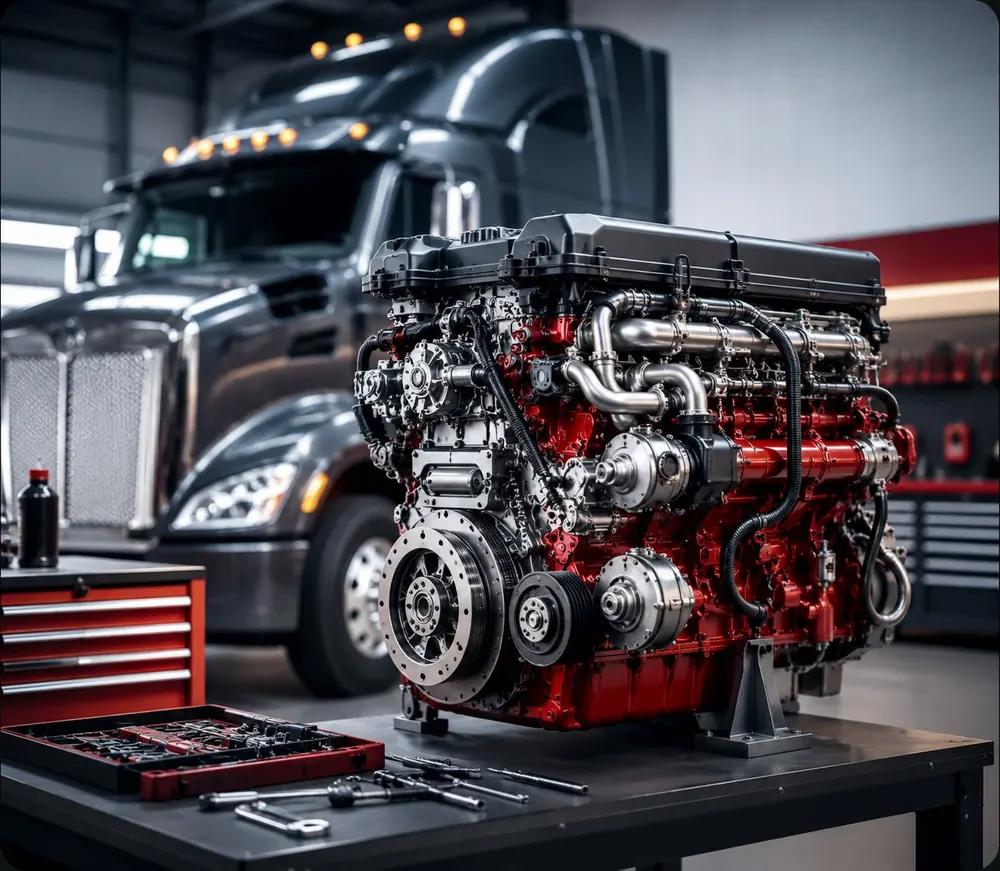
Earthmoving equipment is essential for construction, mining, road development and other tough jobs. I see machines such as excavators, bulldozers, wheel loaders and motor graders work for hours under conditions. The diesel engine inside these machines is what gives them the power to lift loads and do work. Like any machine the diesel engine can develop problems over time. Neglecting care, running the diesel engine nonstop overheating or having worn‑out parts can slowly reduce how well the diesel engine works.
Diesel Engine Repair vs. Engine Replacement: A Comparison for Earthmoving Equipment
Diesel engine repair is generally a more affordable option for minor to moderate engine damage, as it focuses on fixing specific faults and replacing worn components. It often requires less downtime and can restore engine performance, improve fuel efficiency, and extend the equipment's working life.
In comparison, diesel engine replacement usually involves a higher investment and depends on engine availability and installation time. However, it can be a better solution when the existing engine has severe damage or repairs are no longer economical.
Both options require regular maintenance to ensure reliable performance. While repairs help keep usable engine components in service, replacement may extend the equipment's lifespan when the old engine is beyond repair. Ultimately, the best choice depends on repair costs, expected service life, equipment condition, and long-term value.
Ways to Minimize Diesel Engine Issues in Earthmoving Machines
- Though repairs may be necessary in some situations, good maintenance practices can lessen the frequency with which diesel engine problems can occur.
- Measure the temperature of the diesel engine. Analyze any overheating that may occur.
- Use only approved fuels and lubricants. Observe the manufacturers’ instructions regarding the use of fluids to ensure the safety of the engine parts.
- Educate equipment operators. If operators are aware of the most common types of diesel engine issues, then they can report those problems in a timely manner.
- Make sure that you maintain a maintenance log. This log is critical to the future maintenance of diesel engines.